Why We Chose Hannsa CNC Machines – From Taiwan to UK Workshops

When we put our name behind a CNC machine, I want to know what we’re selling. We’re the people who will be installing it, servicing it and answering the phone if a customer has a problem.

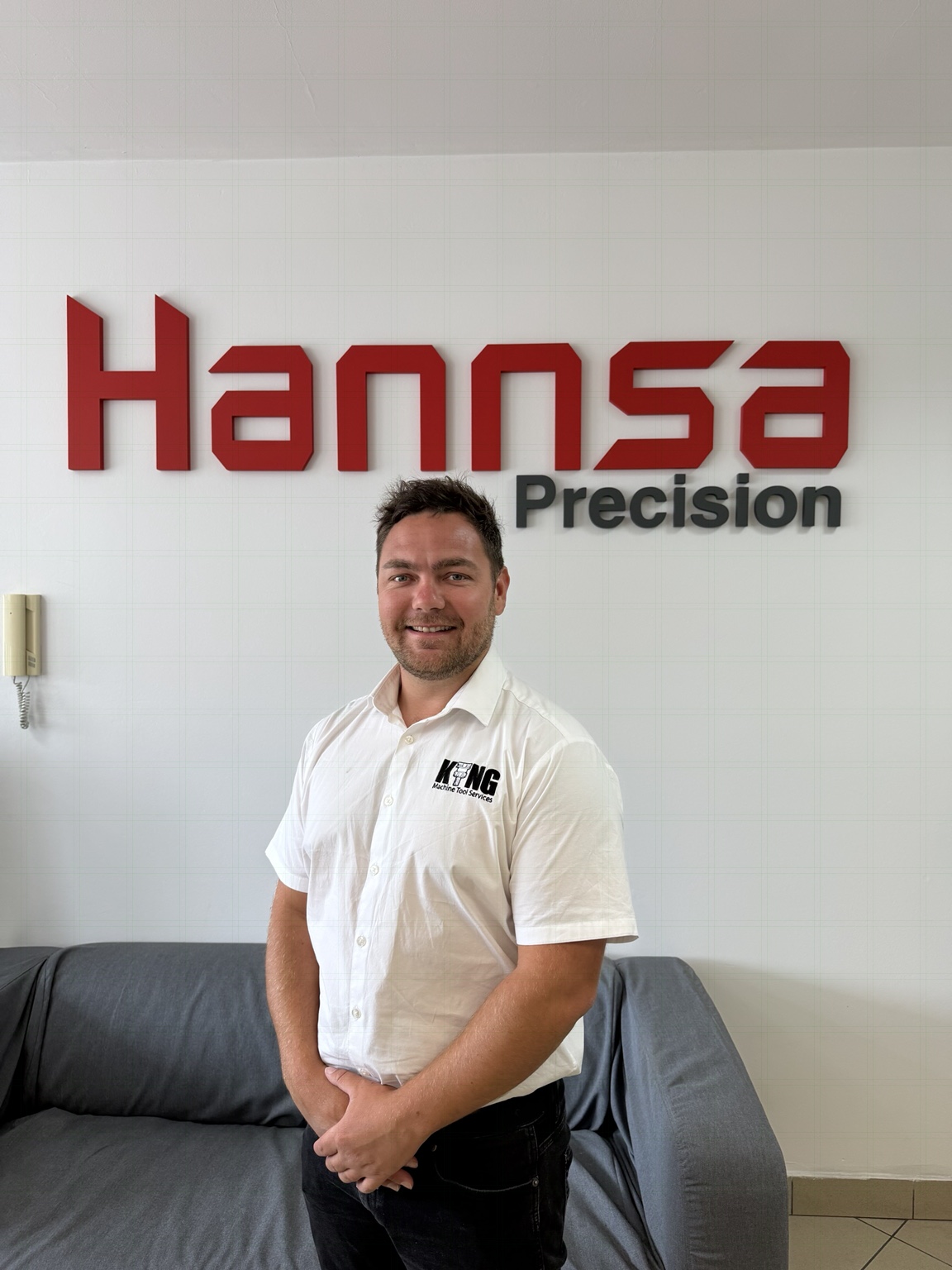
That’s why Ryan and I went out to the Hannsa factory in Taiwan before deciding to bring the machines into our range at King Machine Tool Services.

I previously worked for Matchmaker CNC, and between that and running KMTS, I’ve spent years installing, repairing and servicing machine tools. You get to know what makes a machine straightforward to work on, where manufacturers have spent money and where they’ve tried to save it.

A brochure only tells you so much. I wanted to get into the factory, look closely at the machines and see whether they were something we would be happy supporting here in the UK.
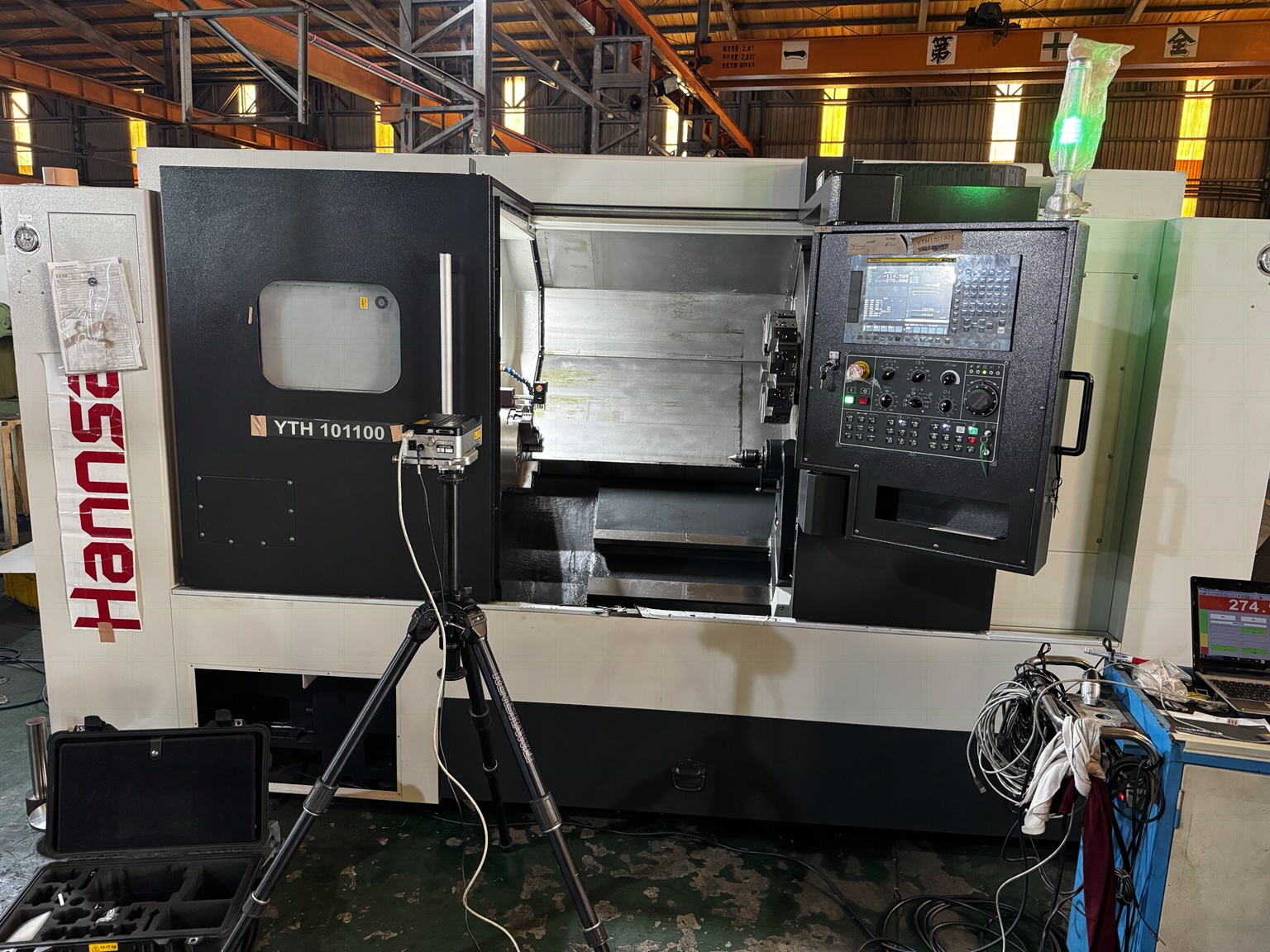
Hannsa machining centre at the Taiwan factory
At the Hannsa factory in Taiwan.

Looking beyond the sheet metal

A machine can look smart with its doors shut. What interests me is what’s underneath.

During our visit to Taiwan, Ryan and I had the opportunity to look at machines at different stages of assembly. That gives you a much better understanding of the build than looking at a finished machine in a showroom.

We were looking at the castings, the mechanical layout, the assembly and how accessible things would be when maintenance or repairs were needed. These are the things that matter when a machine has been working in a busy workshop for a few years.
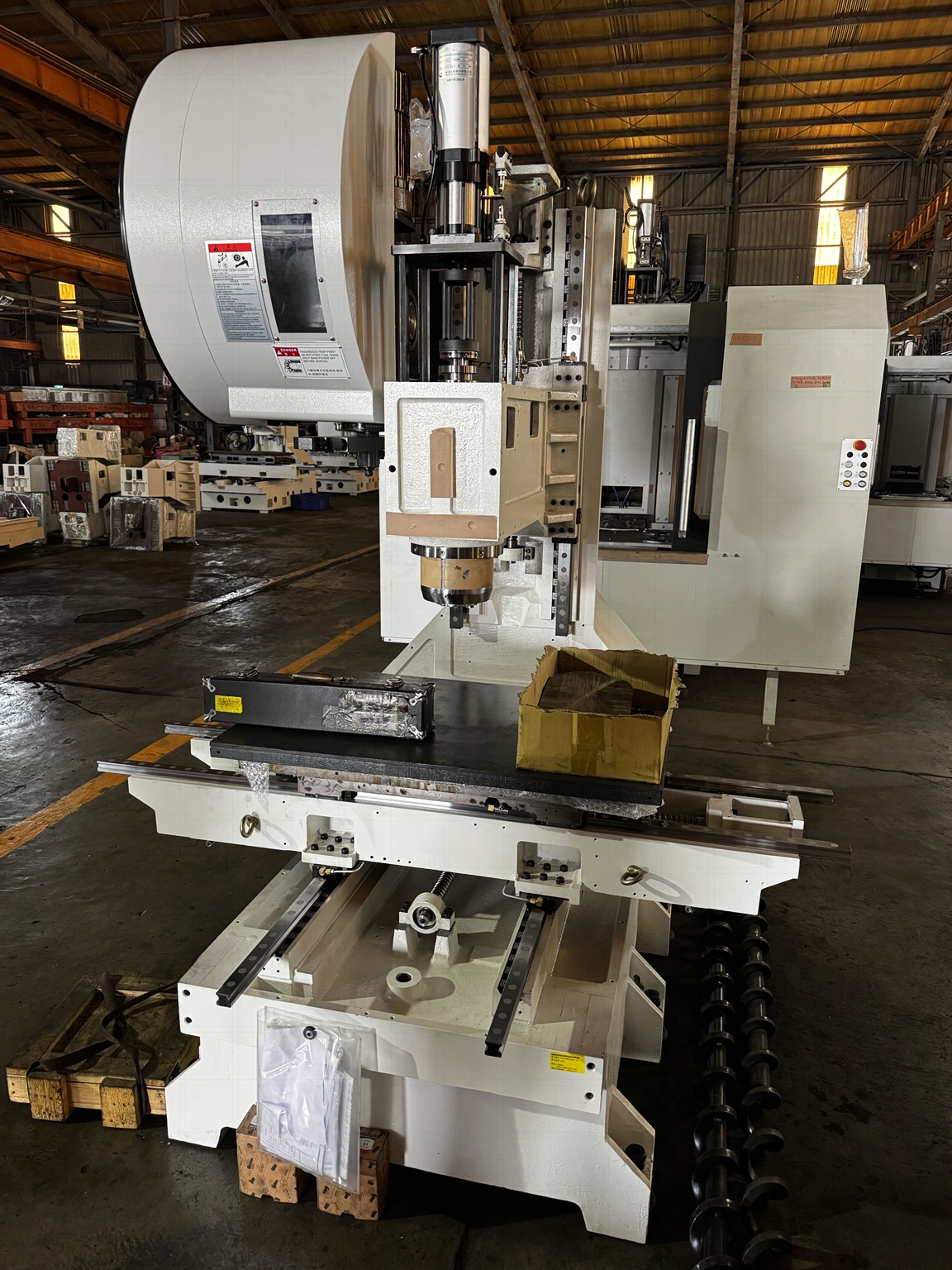
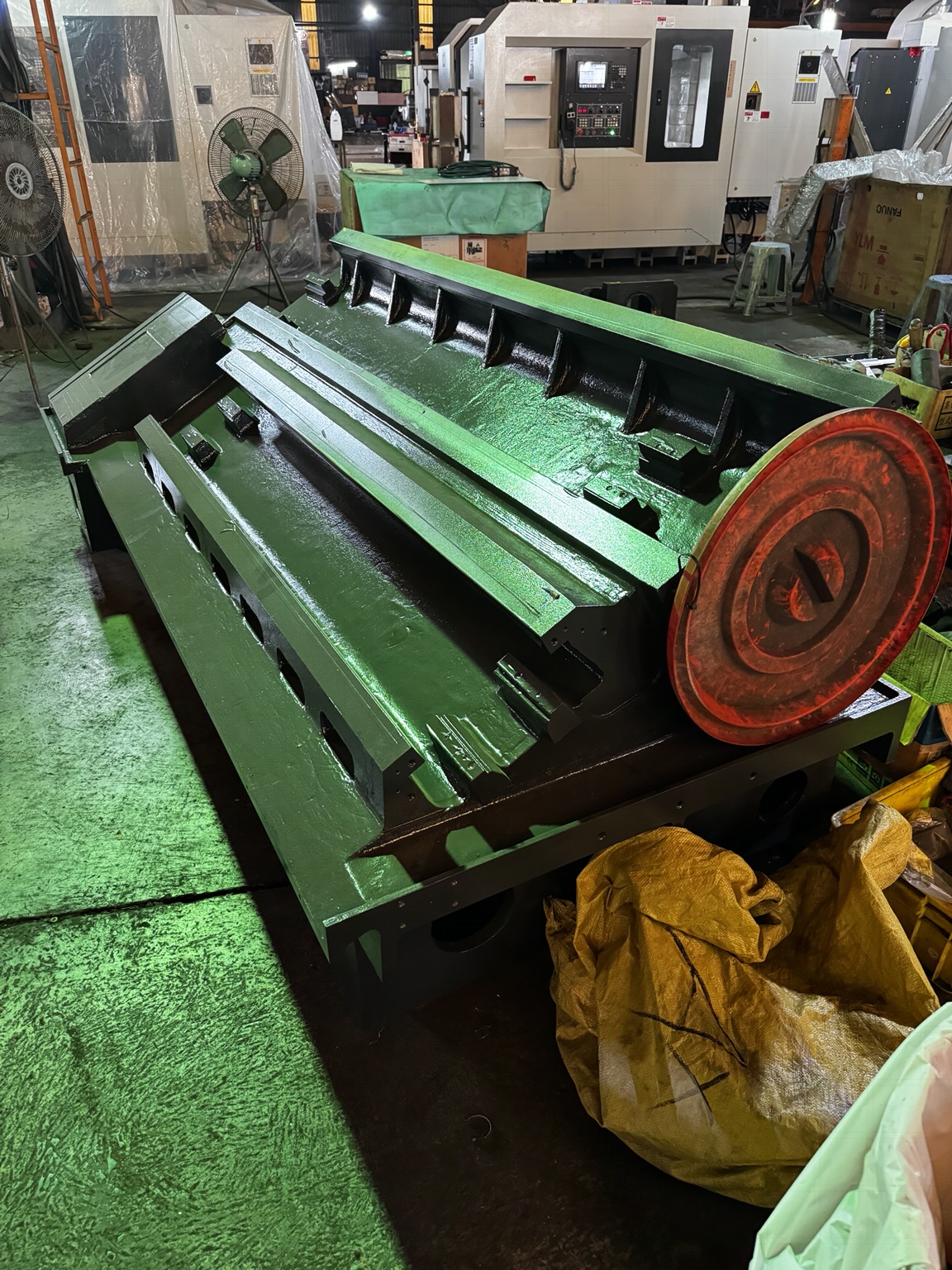
Hannsa machining centre during assembly in Taiwan
A closer look at a machine during assembly in Taiwan.
Machine casting at the Hannsa factory in Taiwan
Looking beyond the enclosure at the Taiwan factory.

From what we saw, there was a lot that felt familiar from my time at Matchmaker CNC. The approach to the build and the general construction reminded me of the machines I had worked on previously.

That’s my own comparison from being around the machines. Having that background meant I knew what I wanted to look at, and I could make a judgement based on more than the sales specification.

After spending time at the factory and going through the build together, Ryan and I were happy that Hannsa was a range we could stand behind.

Visiting the European stock in Poland

The Taiwan factory visit was one part of the decision. I also went over to Poland to see the European side of the operation.

Hannsa machines are already being sold into Europe through the YLM Group, with stock held in Poland. Being able to go there, see the machines and understand what was available was useful for us as a UK supplier.

It gives us another route to getting a machine into a customer’s workshop without every order having to start with a shipment from Taiwan.
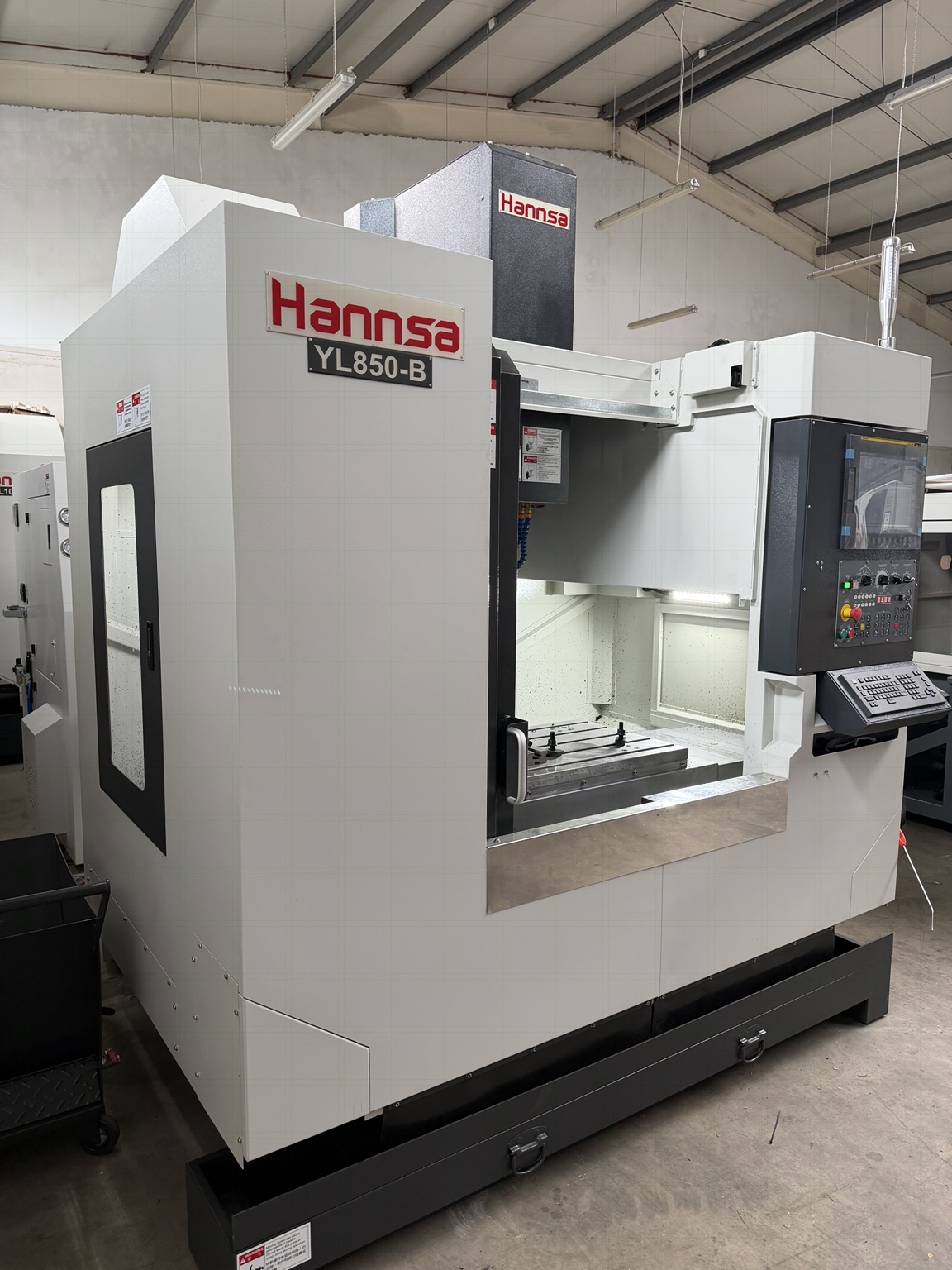
Hannsa YL850-B machining centre in Poland
Hannsa YL850-B during my visit to Poland.

I think it’s worth showing these visits. If we’re asking a customer to invest in a machine, they should be able to see that we’ve put time into checking the manufacturer and the support behind it.
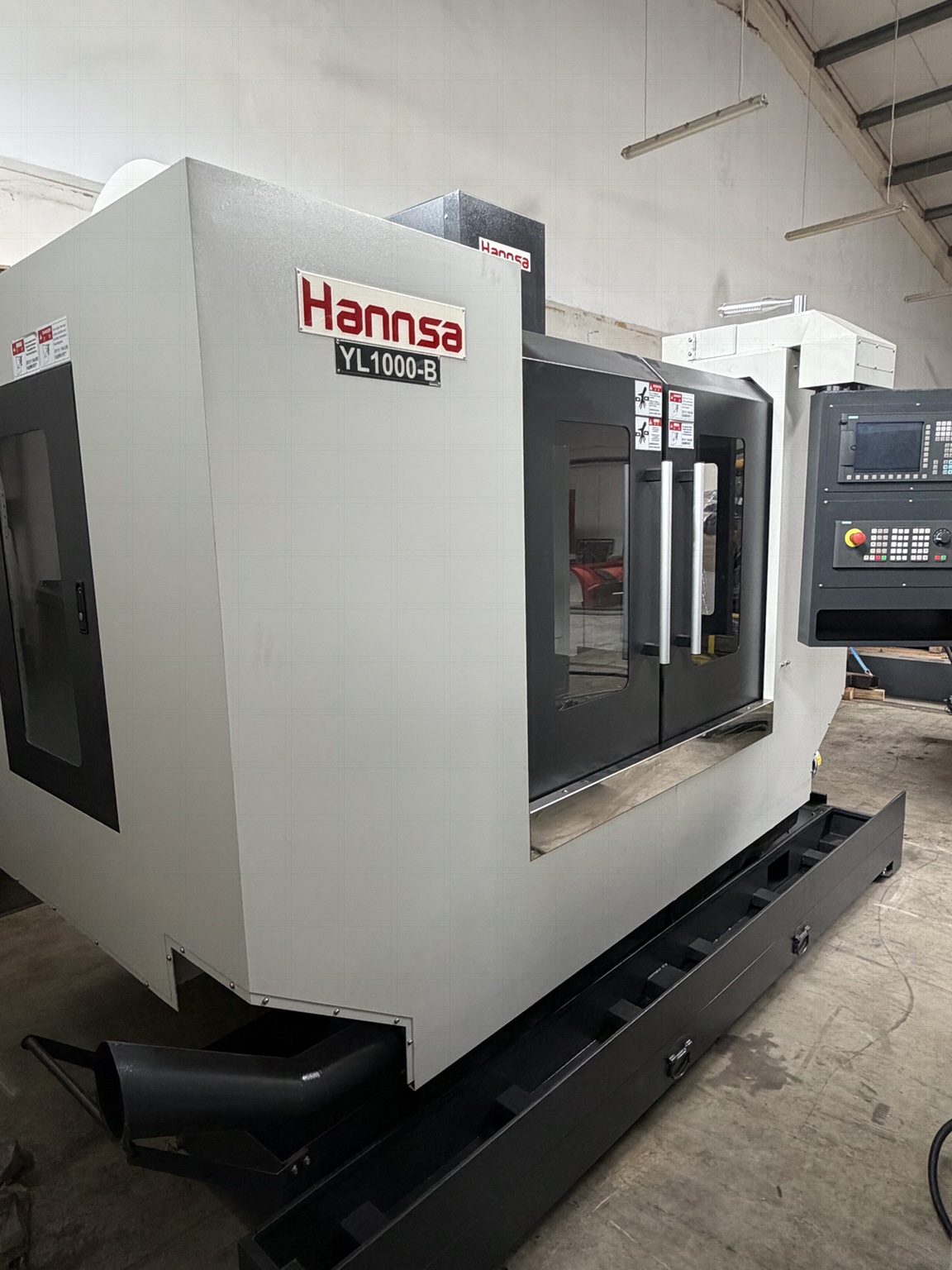
Hannsa YL1000-B machining centre in Poland
Hannsa YL1000-B in Poland.

Six machines sold around the UK

We’ve now sold six Hannsa machines around the UK.

For us, building that installed base is about putting machines into workshops we can support properly. We want customers to be happy with what they’ve bought and confident about picking up the phone to us afterwards.

Buying a CNC machine is a big decision, whether it’s your first machining centre or another machine for an established shop. The purchase price matters, but so does getting it installed, getting it working and knowing who will deal with servicing and breakdowns.

That’s where our engineering background comes into it. CNC machine sales sit alongside the service work we already do every day, so we understand what happens after the machine arrives.

UK stock and short delivery options

We also hold an 800 VMC here in the UK, with further options available from the stock in Poland.

Depending on the model, specification and transport arrangements, we can potentially have a stock machine delivered and installed in less than a week.

That won’t apply to every machine or every order, so we’ll always check the details before promising a date. But if you’ve picked up a job and need capacity quickly, it’s worth speaking to us about what is available.

Having access to UK and European stock makes a real difference when waiting months for a machine simply doesn’t work for the job you need to do.
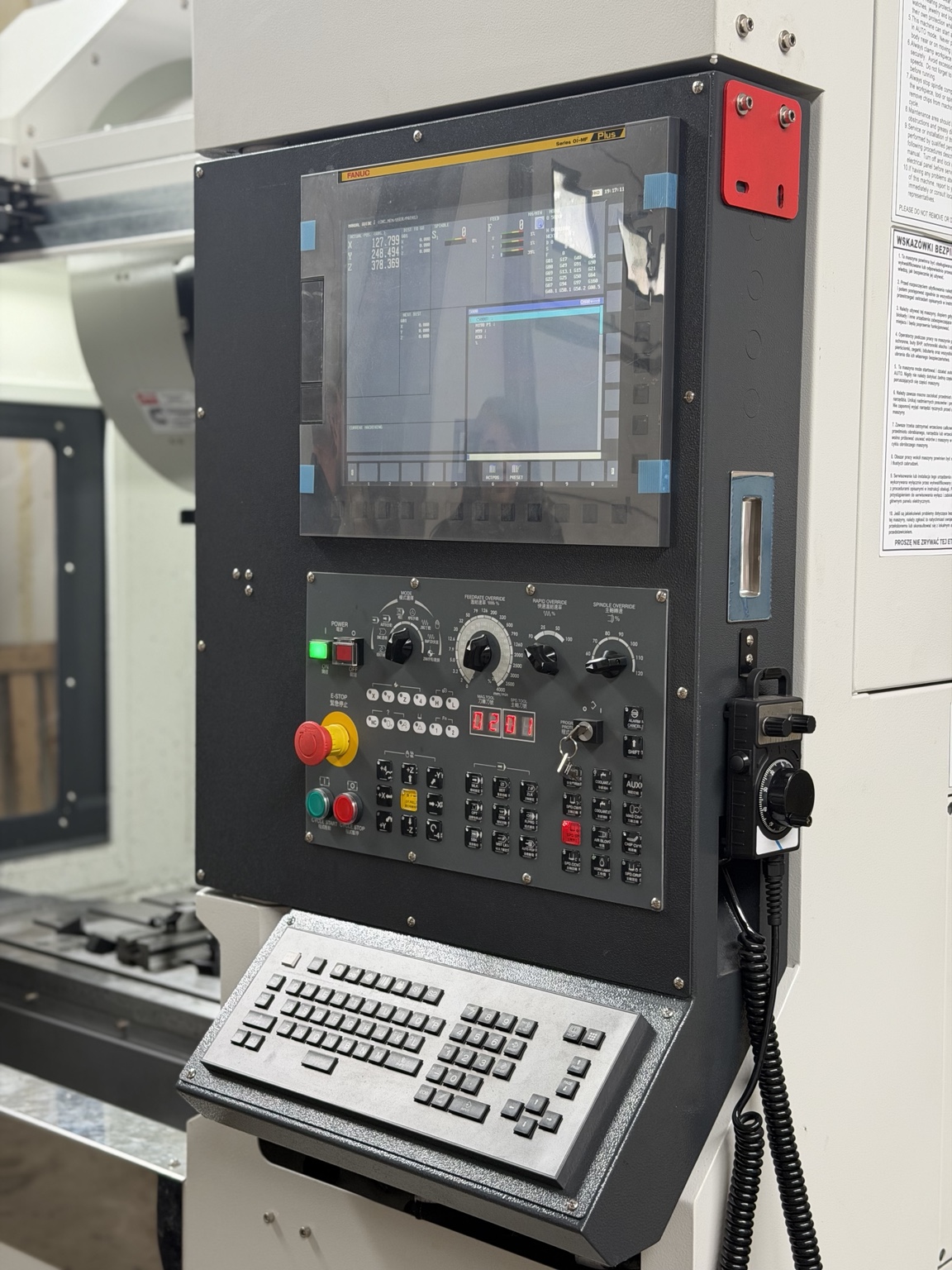
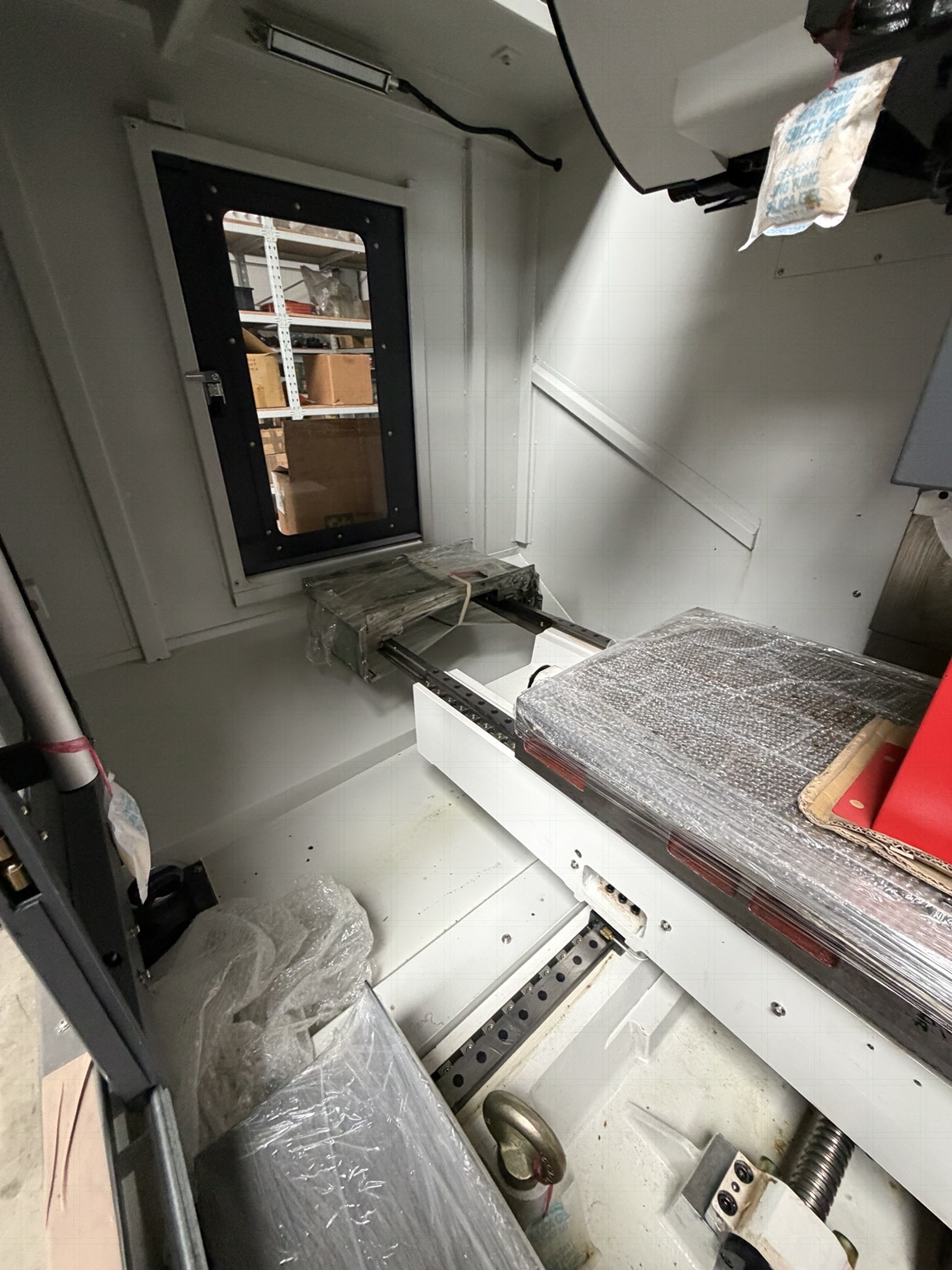
Fanuc control on a Hannsa machining centre in Poland
A closer look at the Fanuc control during the Poland visit.
Internal mechanical detail of a Hannsa machine in Poland
Looking inside a Hannsa machine in Poland.

Supplied and supported by machine tool engineers

At KMTS, we’re machine tool engineers as well as machine suppliers.

We work on CNC machines across a wide range of makes, ages and applications. We see the problems customers face with downtime, maintenance and getting hold of support, and that influences what we choose to sell.

The Hannsa range appealed to us because of what we saw during our visits and the build we were able to inspect for ourselves. Combined with access to European stock and our own UK engineering support, it was a sensible fit for the business.

If you’re looking for a CNC machining centre, give us a call. Tell us what you’re making, what capacity you need and when you need it. We can go through the suitable options and give you a clear answer on price, availability and installation.

View our Hannsa CNC machine range or contact us to discuss a machine.

Thomas King
King Machine Tool Services Ltd

Call: 0330 633 2321
Email: tom@kingcnc.co.uk or sales@kingcnc.co.uk
CNC Machine Servicing – Don’t Wait Until It’s Broken

One thing I’ve noticed over the years working in this industry is how many companies will happily run their CNC machines day in, day out until something eventually goes wrong.

And I get it. If the machine is making parts, it’s making money, so why stop it?

The problem is when it does eventually break down, it’s normally at the worst possible time.

You’ve got jobs waiting, customers chasing deliveries and operators standing around while you’re trying to get someone out to repair it.

Something that could have been picked up during a routine service can suddenly turn into a repair costing thousands.

A Little Maintenance Goes a Long Way

We’ve been into plenty of factories over the years where machines haven’t had a proper service for years.

Some are absolutely filthy, lubrication systems haven’t been checked, filters are blocked and there are issues that nobody’s even noticed.

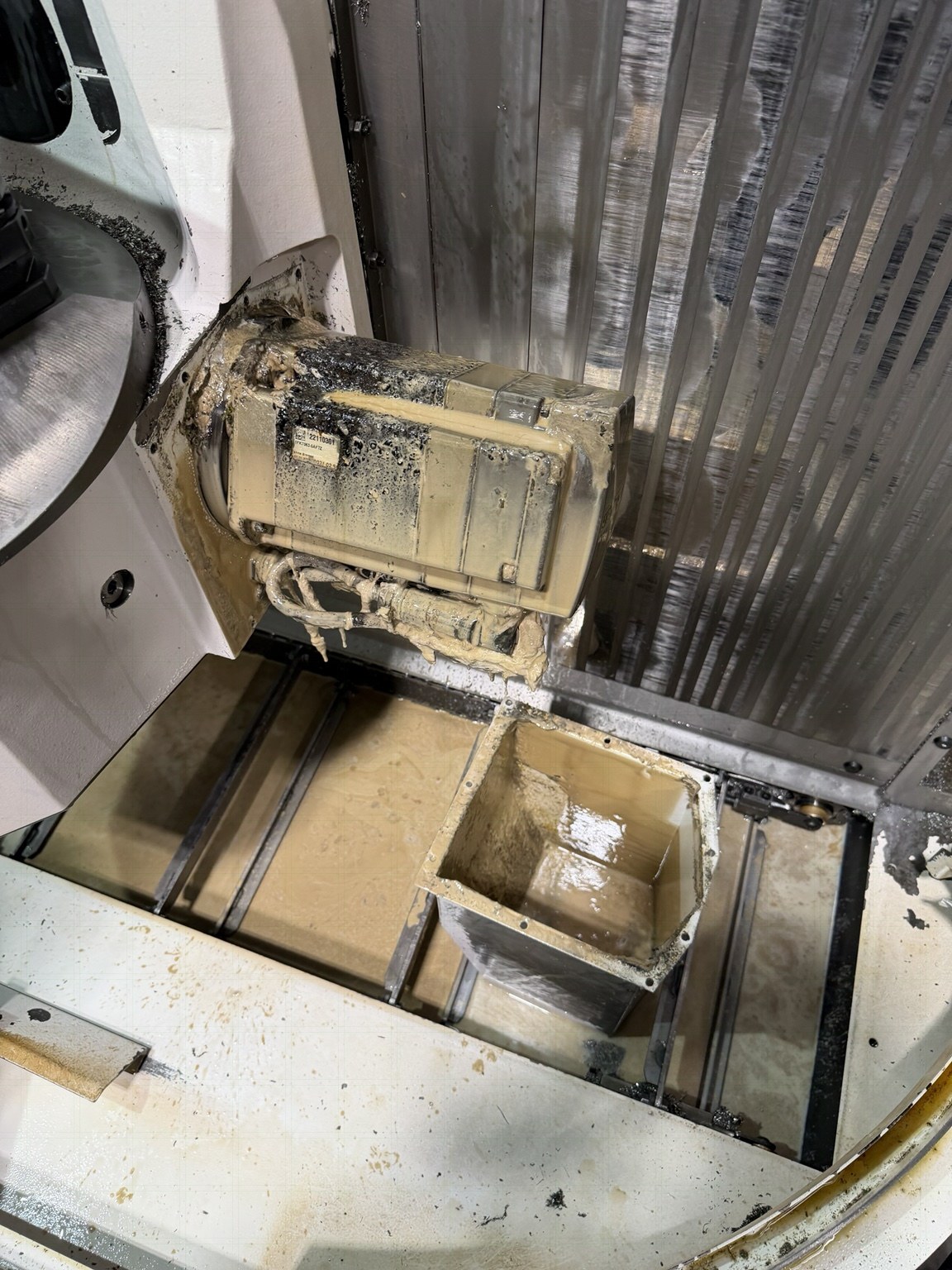
Heavy residue buildup around a CNC machine motor and behind removed covers
What can be hidden behind the covers. Cleaning gives us access to inspect the components properly.

The machine might still be running, but that doesn’t mean everything is working as it should.

Take a blocked lubrication line for example.

The machine might carry on running without any obvious problems, but if certain components aren’t getting the lubrication they need, eventually something is going to wear out.

You could end up with damaged ballscrews, guideways or other expensive components.

All because something relatively simple wasn’t picked up earlier.

A Small Problem Can Turn Into a Big Repair Bill

This is something we come across regularly.

A customer might mention a strange noise coming from an axis or that the machine hasn’t been holding tolerance quite as well as it used to.

Sometimes it’s been doing it for months.

Rather than getting it checked, the machine carries on running because production needs to keep moving.

Eventually the problem gets worse and what might have started as a fairly straightforward repair turns into something much more expensive.

It’s not always the case, but we’ve seen enough of it over the years.

And when you start looking at the cost of replacing ballscrews, bearings or other mechanical components, it’s not difficult to see why preventative maintenance makes sense.

Downtime Costs More Than People Think

It’s not just the repair bill you’ve got to worry about.

If a machine is down for three or four days, how much production have you lost?

How many jobs are now behind?

And how much is it costing having a machine sitting there doing absolutely nothing?

I’m not saying servicing will stop every breakdown because it won’t.

Components fail, electronics fail and sometimes things just go wrong.

But there’s a big difference between an unexpected failure and something that’s been slowly getting worse for the last six months.

What Do We Actually Do During a Service?

We don’t just turn up, wipe a machine down and stick a service sticker on it.

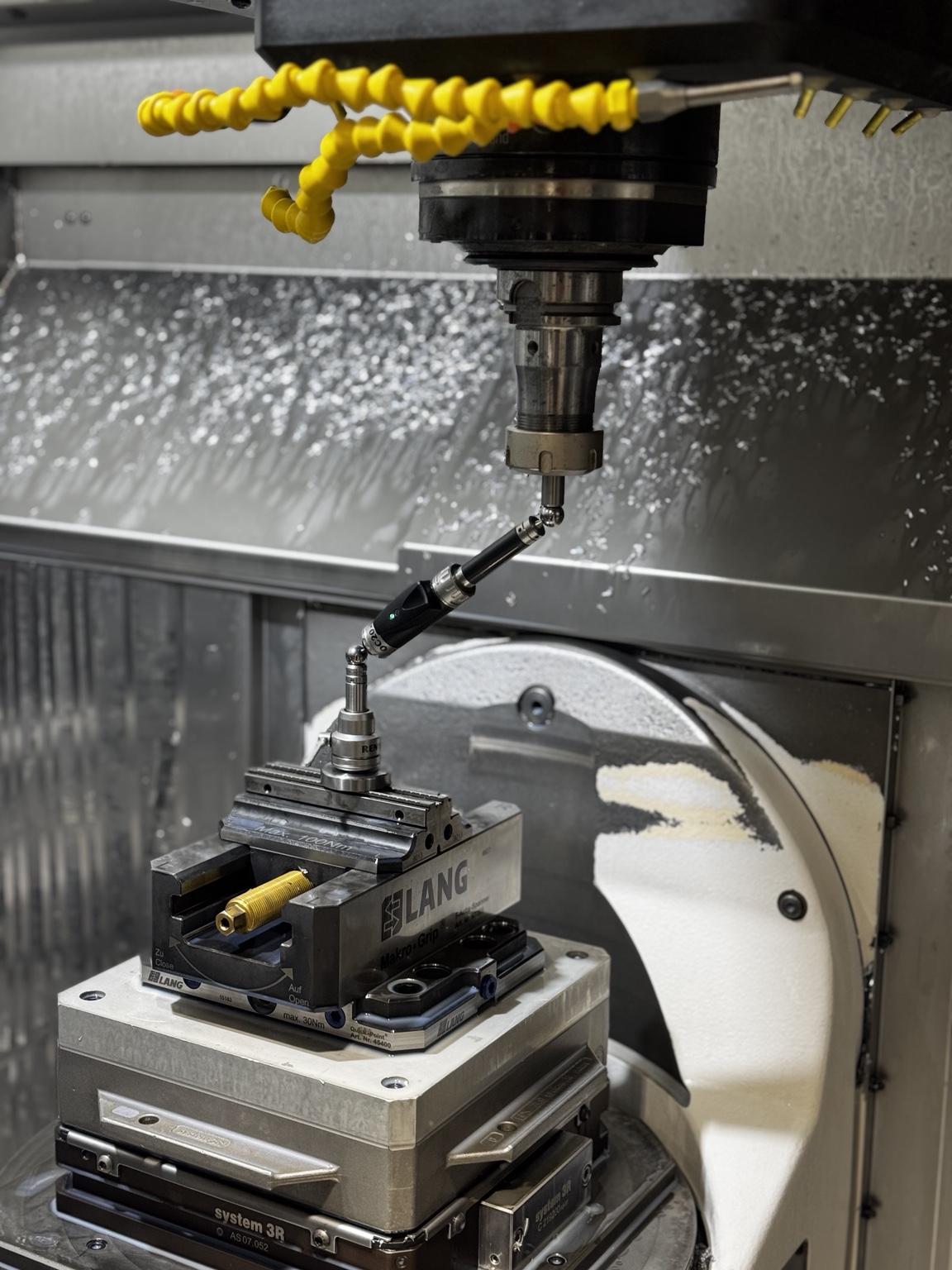
Depending on the machine and the level of service required, we’re checking lubrication systems, mechanical components, machine geometry, backlash and general machine condition.

Dial indicator and test bar setup for a CNC spindle geometry check

We can also carry out Renishaw ballbar testing to get a better understanding of how accurately the machine is performing.

Another thing we always try to do is speak to the operators.

They’re the ones using the machines every day and quite often know when something isn’t right long before anyone else does.

A strange noise, poor surface finish or a machine that’s suddenly struggling to hold tolerance usually has a reason behind it.

You Don’t Always Need the Machine Manufacturer

Another thing worth mentioning is that you don’t necessarily need to go back to the original manufacturer every time your CNC machine needs attention.

At King Machine Tool Services we work on a wide range of CNC machinery with Heidenhain, Siemens and Fanuc controls.

We’ve got experience across aerospace, automotive, motorsport and general subcontract engineering.

Whether you’ve got one machine or a factory full of them, we can help with servicing, breakdowns, repairs and machine inspections.

Look After Your Machines

At the end of the day, CNC machines aren’t cheap and neither is having one standing still.

A bit of preventative maintenance can save a lot of hassle further down the line.

We can’t promise you’ll never have another breakdown, and anyone who tells you that is talking rubbish.

But we can help identify problems before they turn into something much worse.

If your machines haven’t been serviced for a while, give us a call.

King Machine Tool Services Ltd

CNC Servicing, Repairs & Preventative Maintenance Across the UK

0330 633 2321

service@kingcnc.co.uk

www.kingcnc.co.uk

JIMTOF 2026 – Japan falling behind on the machine tool industry?

It was great to visit JIMTOF at the big sight in Tokyo this year for myself to see the future of technology. Being there and experiences all the demonstration of new technology what probably wont hit the west until another 2 to 5 years was inspiring. Some jaw dropping moments and me on many occasions asking them to repeat what they said not because of a language barrier but because my brain could quickly grasp what I was hearing and seeing.

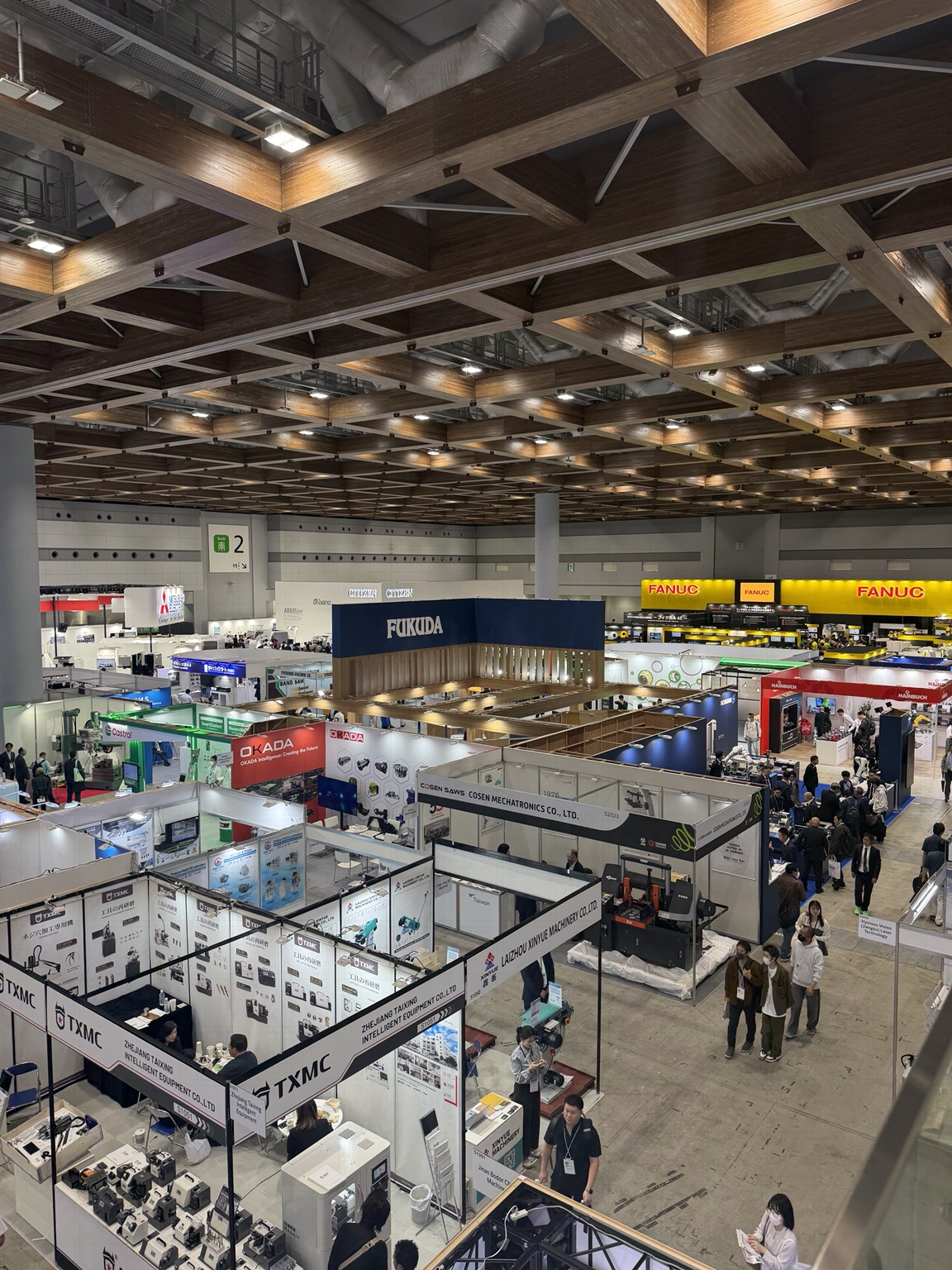
Exhibition stands inside the JIMTOF show hall at Tokyo Big Sight
Inside the exhibition halls at Tokyo Big Sight.

The main thing I did notice and the feel I got was japan I think is falling behind compared to the Taiwanese and Chinese market, not just because the Taiwanese are basically sister countries if you know the history but the fact the Japanese are still using old school technology what they were using 60 years ago. Yes it works and it’s superior but you get the feel that they wont change the ways because in there eyes they perfected the product from the get go, unfortunately for the Japanese the Taiwan,Korean & Chinese market have caught on very fast and continued to build and develop, and they ain’t stopping.

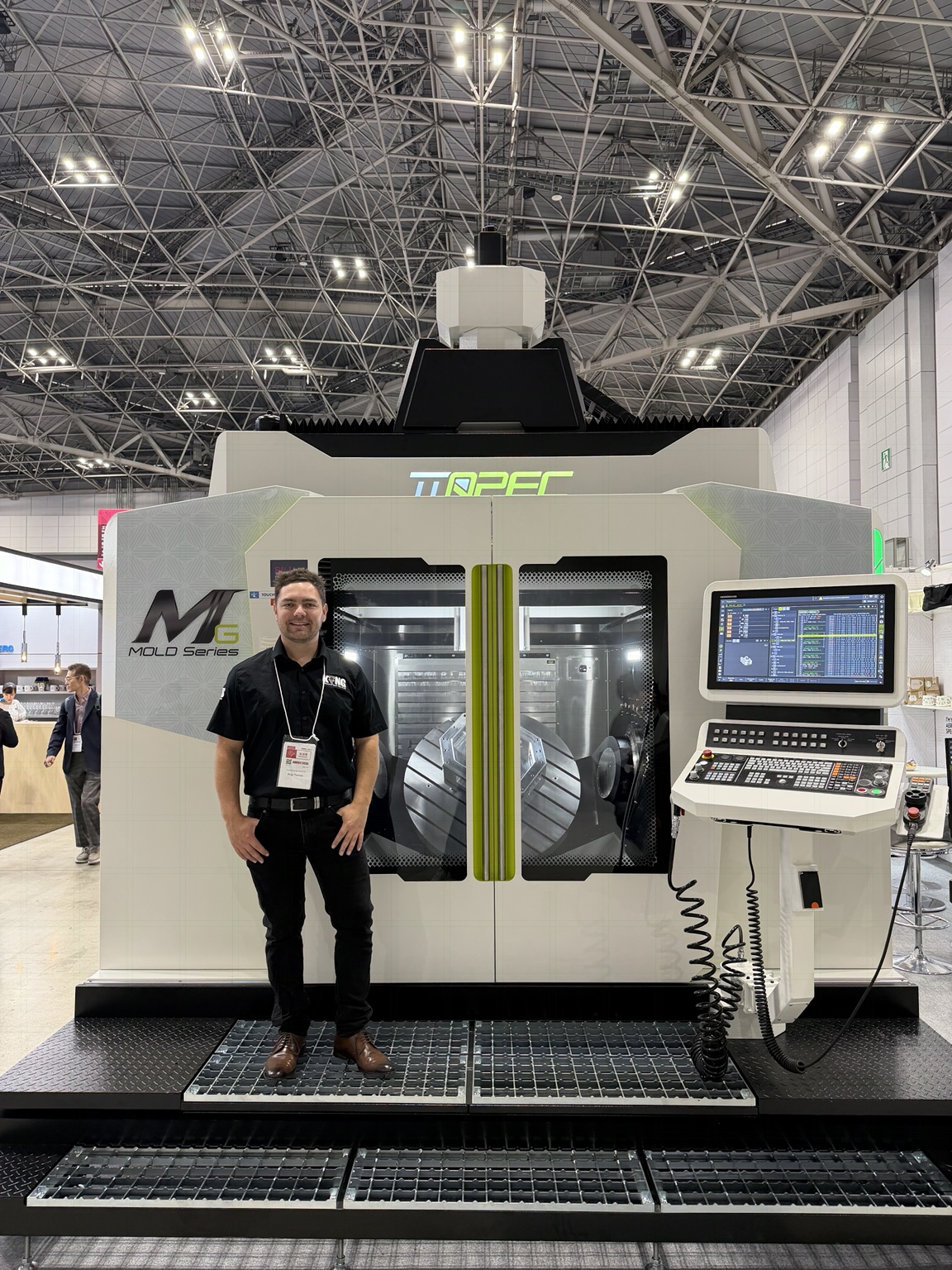
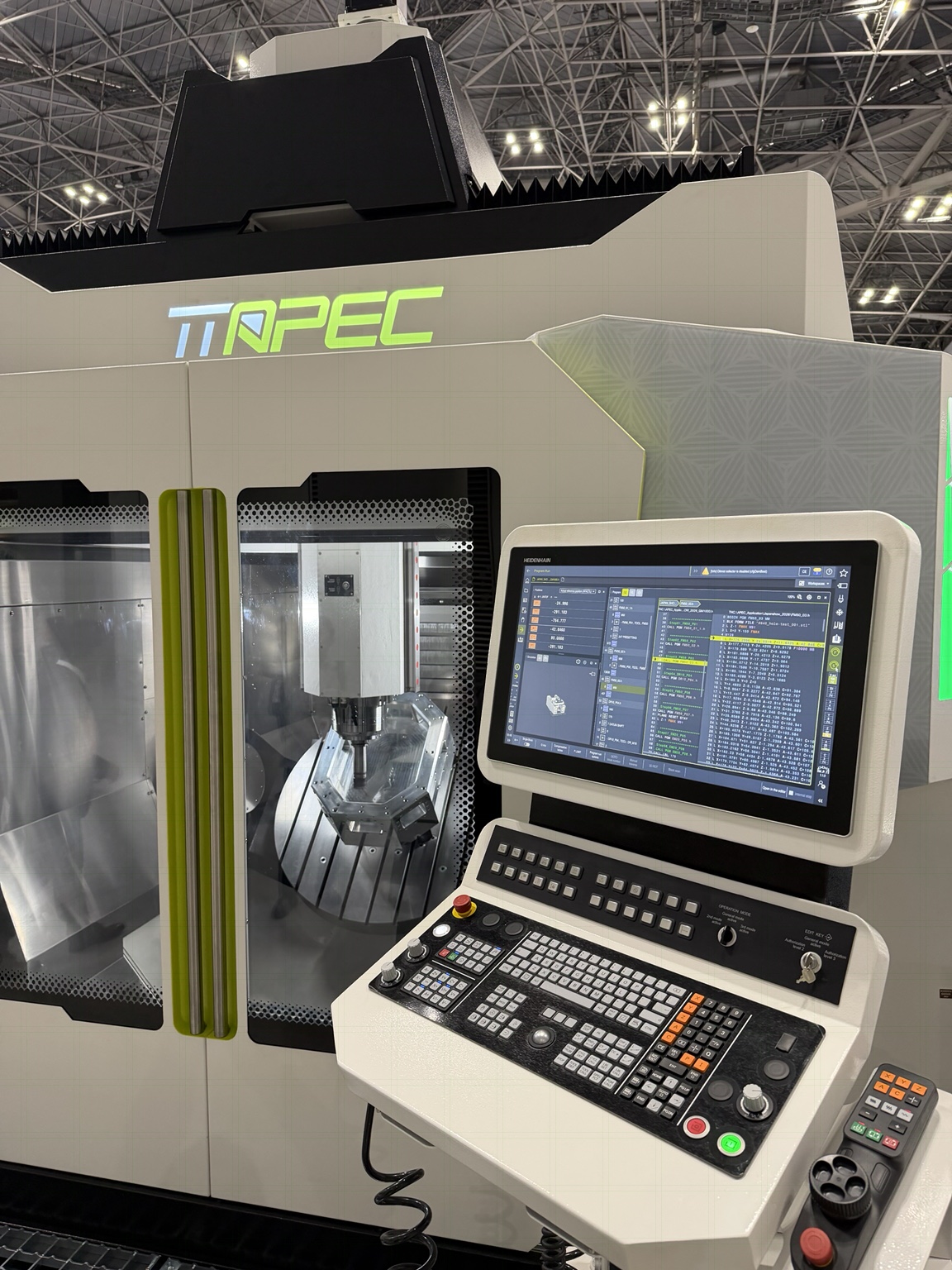
TTAPEC showcasing the APEC GM1000

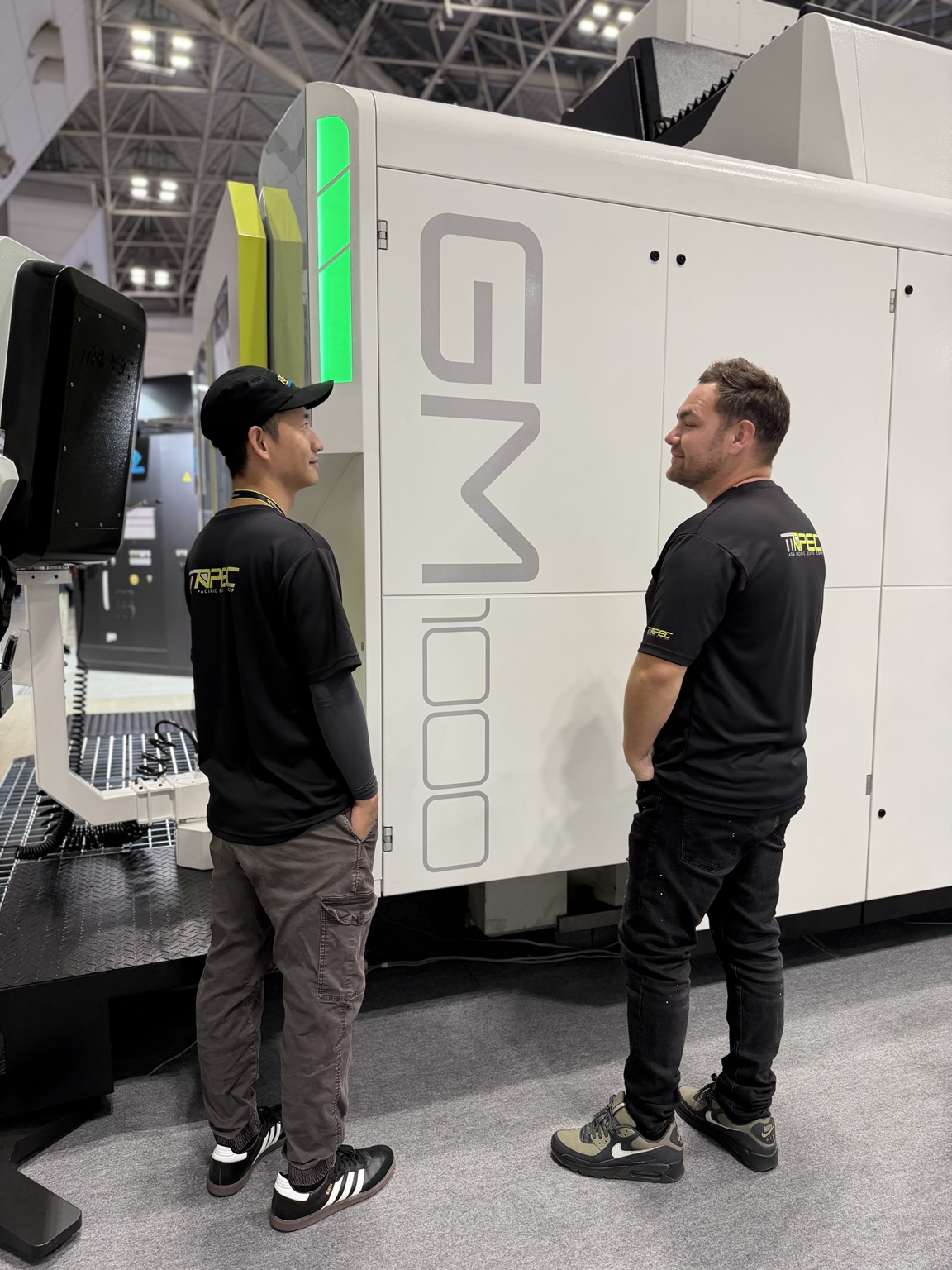
Being apart of the TTAPEC group in the UK as there UK distribution network it was great to see they were showcasing the APEC GM1000 live at the show, especially using the new Heidenhain TNC7 control with the monstrous bed, and how fast the machine is just absolutely blown away, even with the rapids reduced because it being on a showroom temporary floor

The machine uses linear motors for the XY so it can get around its bed & to its tool changer in the blink of an eye.

It was literally throwing around a 40-50KG block of aluminium around like a rag doll churning chips away.

Heidenhain control beside a TT APEC machining centre at JIMTOF
The TT APEC machine and Heidenhain control on display.
Two visitors beside the APEC GM1000 machining centre
A closer look at the APEC GM1000.

My Background

I started my career as a service engineer for GF Machine Solutions, then onto Matchmaker CNC before finally going it alone 8 years ago so I’ve worked on Japanese, Swiss, Taiwanese machines so looking for a stand point between where things are made the Japanese machines are very complex and the Taiwanese have simplified things to repair, to the point where instead of calling someone like me out to repair the machine sometimes a quick phone call I can guide people on what to look and potentially fixing it before even needing a engineer to visit. Where with the jap stuff, they are way to complex to the point even I and other engineers can spend days on a machine just to find a simple fault. Then the Chinese have just literally started ramping up as they naturally do, and just ramped up production time where the quality falls behind with certain brands what have popped up in the UK over the last 5 years, I’m not nocking the Chinese stuff at all but for a end user you need to keep one focus in sight, “will this company still support me in the next 10 years”. If that answer is yes, then you’ll be absolutely fine. But from my experience with this. It’s defiantly not going to out perform or last anywhere near what a Japanese or Taiwanese machine will, some components maybe and yes you can get replacement parts are they cross reference with some other brands but it’s the small stuff what will hold the long term investment back.

Same tech, High Price!

Another thing and this is the main thing, the cost. Wowwww. I was requesting prices on Japanese machines around JIMTOF and quickly working out the price of a standard 3 axis VMC with 800 travel, Fanuc control was £120,000 before you’ve ended shipped it to the UK, Let alone making any profit.

Now knowing the price of our 3 axis Hannsa Taiwanese machines you can litrally probably buy 2 machines for the same price as 1 Japanese VMC, Maybe this is why you don’t see many 3 axis Japanese VMC machines in the UK, well me personally have only come across 1 or 2 in my working career and that was the Mitsubishi MV5C

You could literally get 4 Chinese machines for the cost of 1 Japanese machine but knowing what I’ve seen with my own eyes your creating yourself a major headache without the right support, and this is why I’ve spent years visiting Chinese factory’s to actually see how there made and what parts are used. For us this is why we only have interest in Baofeng machines as they are using Taiwanese’s, German & Japanese components. They are built to a high standard, and I know I can throw me and my team at these to repair when needed.

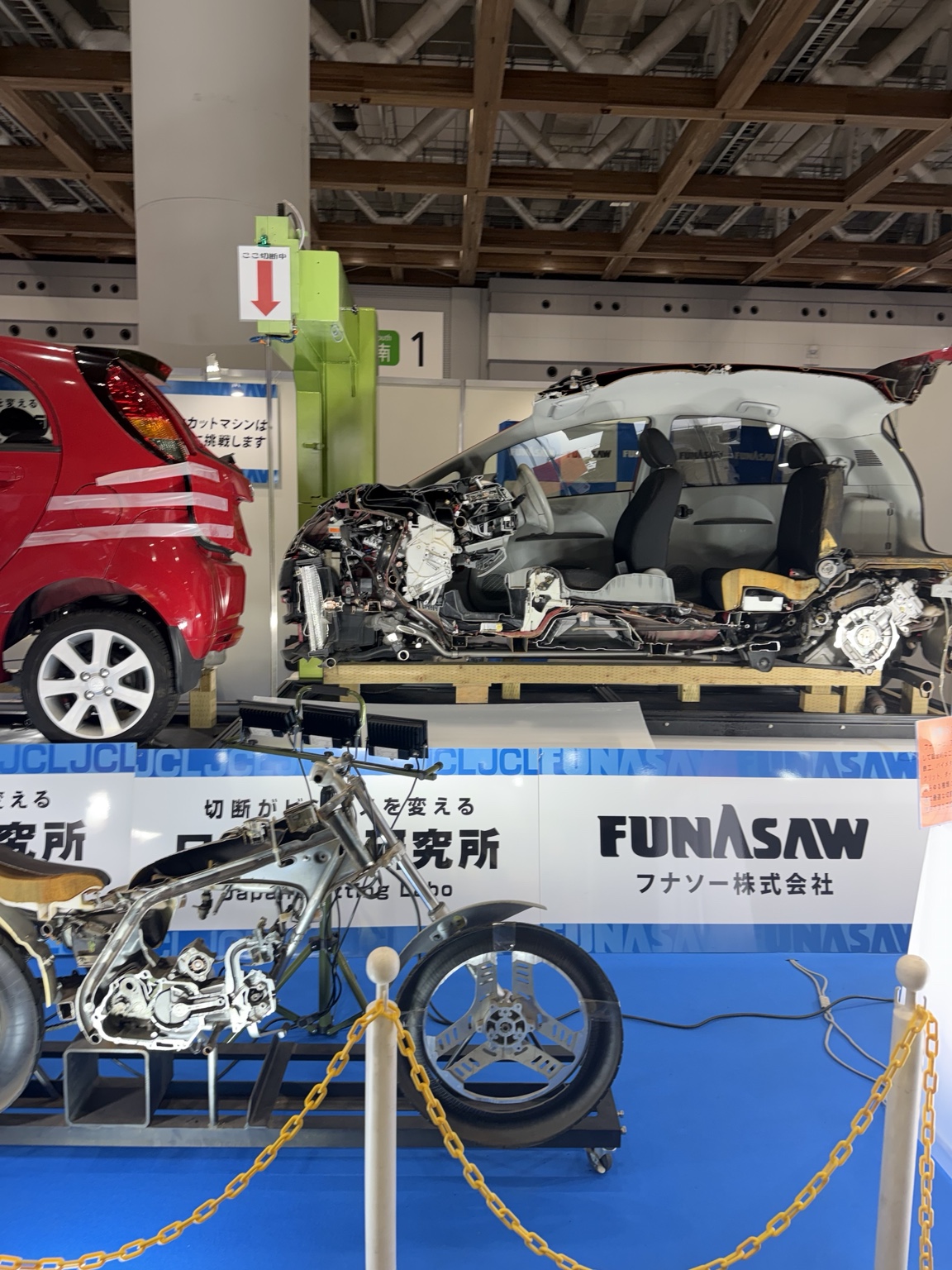
Cutaway car and motorcycle displays on the FUNASAW stand
Cutaway vehicle displays at the show.
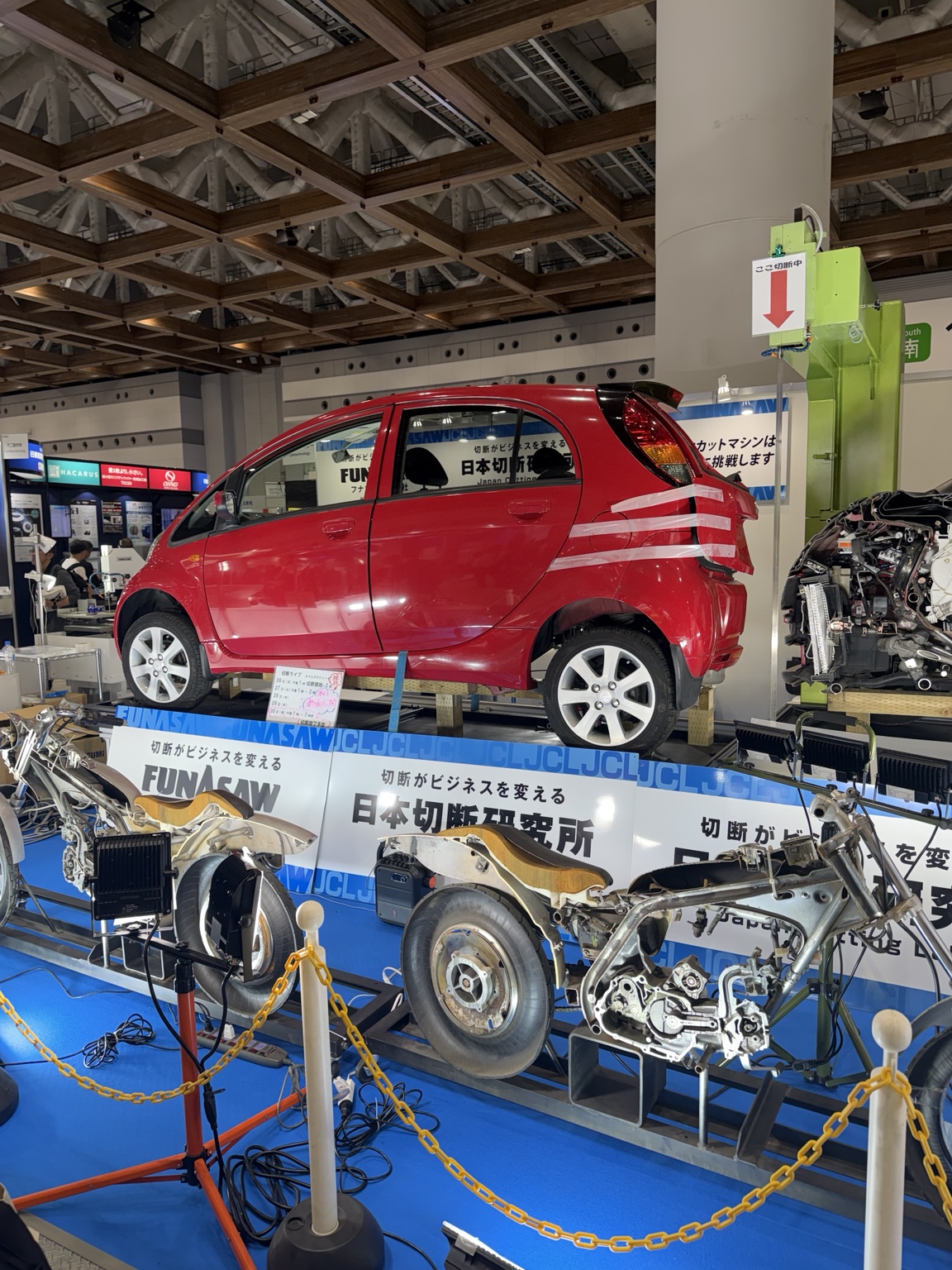
Cutaway car and motorcycle exhibit at JIMTOF
The FUNASAW exhibition stand.

What I’ve took away from this experience

Now I’m well traveled, I’ve got the scars to prove it but wow. Japan what a place. for us westerners, confusing as hell with the network of trains and apps you need just to order a coffee but you’ll get there and I believe this is the fun part of SE Asia. If anyone does get the chance like I have GO, the food, the people, and most importantly… THE TECH.

The one depressing part for me is that it took me 16 hours of flights just to visit this beautiful place but I know ill be back for JIMTOF28 along side TTAPEC representing the future we know.

Go-karts on a Tokyo street at night
A glimpse of Tokyo away from the exhibition halls.

Thomas King

Director/Engineer – KMTS

Discuss CNC Machine Sales with KMTS: sales@kingcnc.co.uk or 0330 633 2321.